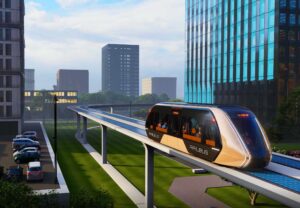
As the world grapples with the twin challenges of rapid urbanization and environmental degradation, innovative solutions are necessary to address the growing demands on transportation systems. The solar energy railbus emerges as a revolutionary and effective transportation solution, promising to be environmentally friendly, noiseless, and highly efficient in terms of fuel and electricity savings. This advanced mode of transport not only addresses current traffic woes but also caters to the needs of burgeoning populations with cutting-edge technologies.
Environmental Sustainability
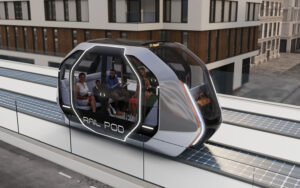
One of the most compelling advantages of the solar energy railbus is its environmental friendliness. Unlike traditional buses and trains that rely on fossil fuels, the railbus harnesses solar power, a renewable and clean energy source. By utilizing photovoltaic panels installed on the roofs of the railbuses and at stations, the system generates electricity directly from sunlight. This process significantly reduces greenhouse gas emissions, thereby mitigating the impact of transportation on global warming and air pollution.
Moreover, the adoption of solar energy minimizes the dependence on non-renewable energy sources, contributing to energy security and sustainability. With countries around the world striving to meet climate goals and reduce carbon footprints, the solar energy railbus represents a critical step forward in achieving these objectives.
Noise Reduction
Urban areas are often plagued by noise pollution, which can have detrimental effects on human health and quality of life. Traditional combustion engines are a major source of urban noise, contributing to stress, sleep disturbances, and even cardiovascular problems among city dwellers. In contrast, the solar energy railbus operates with significantly reduced noise levels. Electric motors powered by solar energy are inherently quieter than their internal combustion counterparts. This reduction in noise pollution not only enhances the comfort and well-being of passengers but also benefits the broader urban environment by creating quieter and more livable cities.
Efficiency in Energy Use
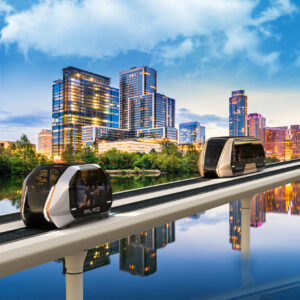
The solar energy railbus excels in energy efficiency, making it a superior choice for modern transportation. Solar panels convert sunlight directly into electricity with a high degree of efficiency, especially when coupled with advanced energy storage systems. During sunny days, the railbus can harness and store excess solar energy in batteries, which can then be used during periods of low sunlight or at night. This ensures a continuous and reliable energy supply without the need for external electricity or fuel, resulting in substantial cost savings over time.
In addition to solar power, regenerative braking systems can be integrated into the railbus design. These systems capture and store the energy generated during braking, which can then be reused to power the vehicle, further enhancing its overall energy efficiency.
Addressing Traffic Congestion
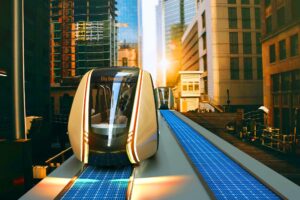
Traffic congestion is a significant problem in many urban areas, leading to increased travel times, fuel consumption, and emissions. The solar energy railbus offers a viable solution by providing a dedicated, reliable, and efficient public transportation option. Unlike traditional buses that share road space with other vehicles, railbuses can operate on dedicated tracks, avoiding traffic jams and ensuring timely arrivals and departures. This not only improves the reliability of public transport but also encourages more people to shift from private car usage to public transportation, reducing the overall number of vehicles on the road and alleviating congestion.
Catering to Large Populations with Cutting-Edge Technology
As urban populations continue to grow, the demand for efficient and scalable transportation solutions becomes more pressing. The solar energy railbus is equipped with state-of-the-art technologies to meet these needs. Advanced scheduling and routing systems, powered by artificial intelligence, optimize the flow of railbuses to ensure maximum efficiency and minimum waiting times for passengers. Real-time monitoring and predictive maintenance technologies enhance the reliability and safety of the railbus system, ensuring uninterrupted service.
Furthermore, the modular design of the railbus allows for easy scalability. Additional carriages can be added to accommodate more passengers during peak hours, while the flexibility of the system enables rapid expansion to new routes and regions as urban areas grow.
Conclusion
The solar energy railbus stands out as a transformative transportation solution that addresses multiple urban challenges. Its environmental benefits, noise reduction, energy efficiency, and ability to reduce traffic congestion make it an ideal choice for modern cities. By leveraging cutting-edge technologies, the solar energy railbus not only caters to the needs of large populations but also sets a new standard for sustainable and efficient public transportation. As we move towards a greener and more connected future, the solar energy railbus represents a crucial innovation in our journey towards sustainable urban mobility. Article by Waqar Ahmed Wains