Global peace and peaceful coexistence are not just idealistic notions; they are fundamental for the well-being and progress of our world. In war-torn regions and amidst conflicts, human lives are devastated, economies are disrupted, and the fabric of society is torn apart. Achieving peace is essential for fostering cooperation, prosperity, and stability on a global scale. It allows communities and nations to focus their energies on constructive endeavors, such as economic development, education, and healthcare, rather than the destructive cycle of violence and conflict.
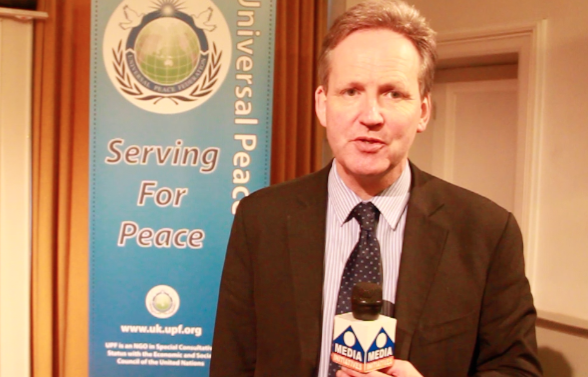
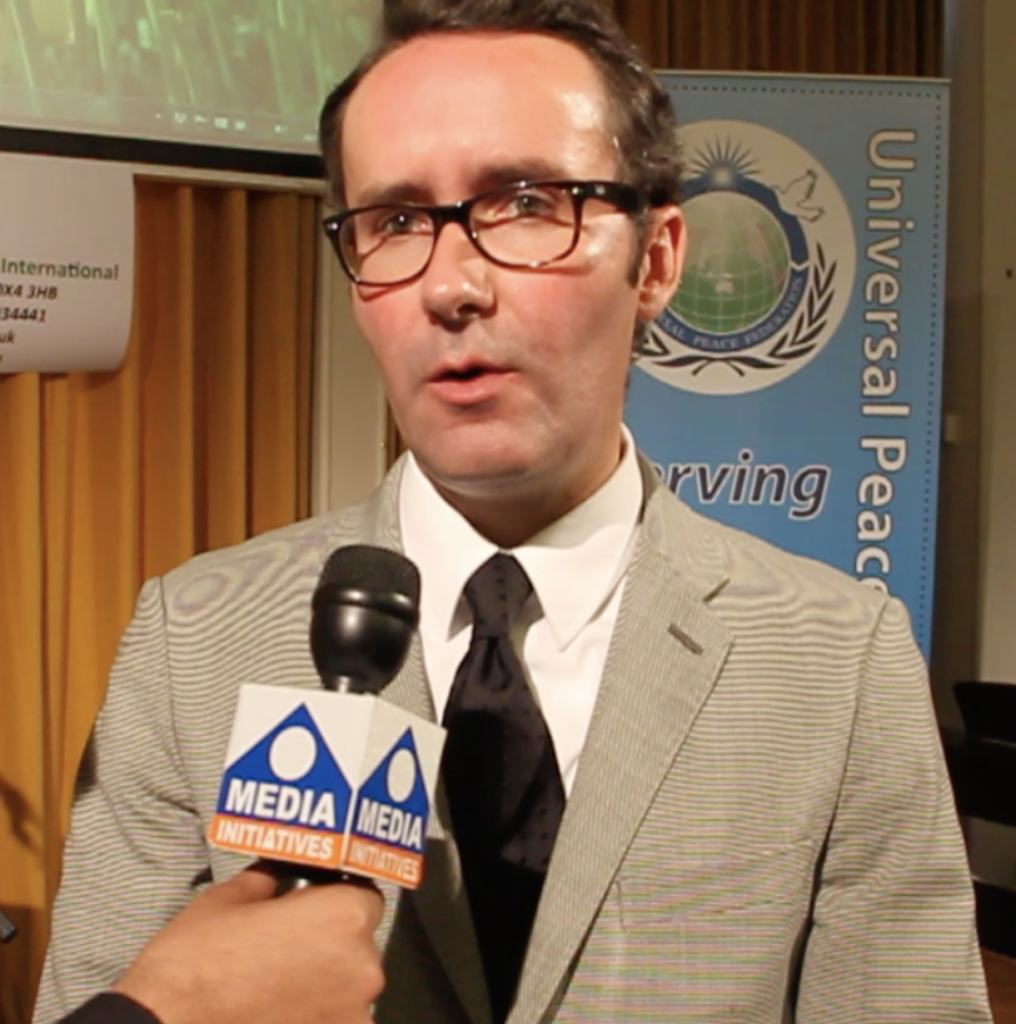
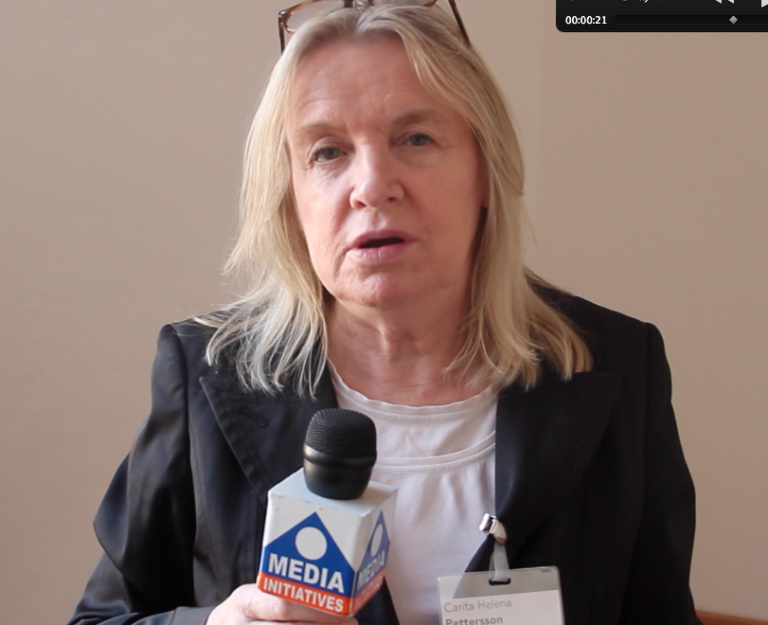
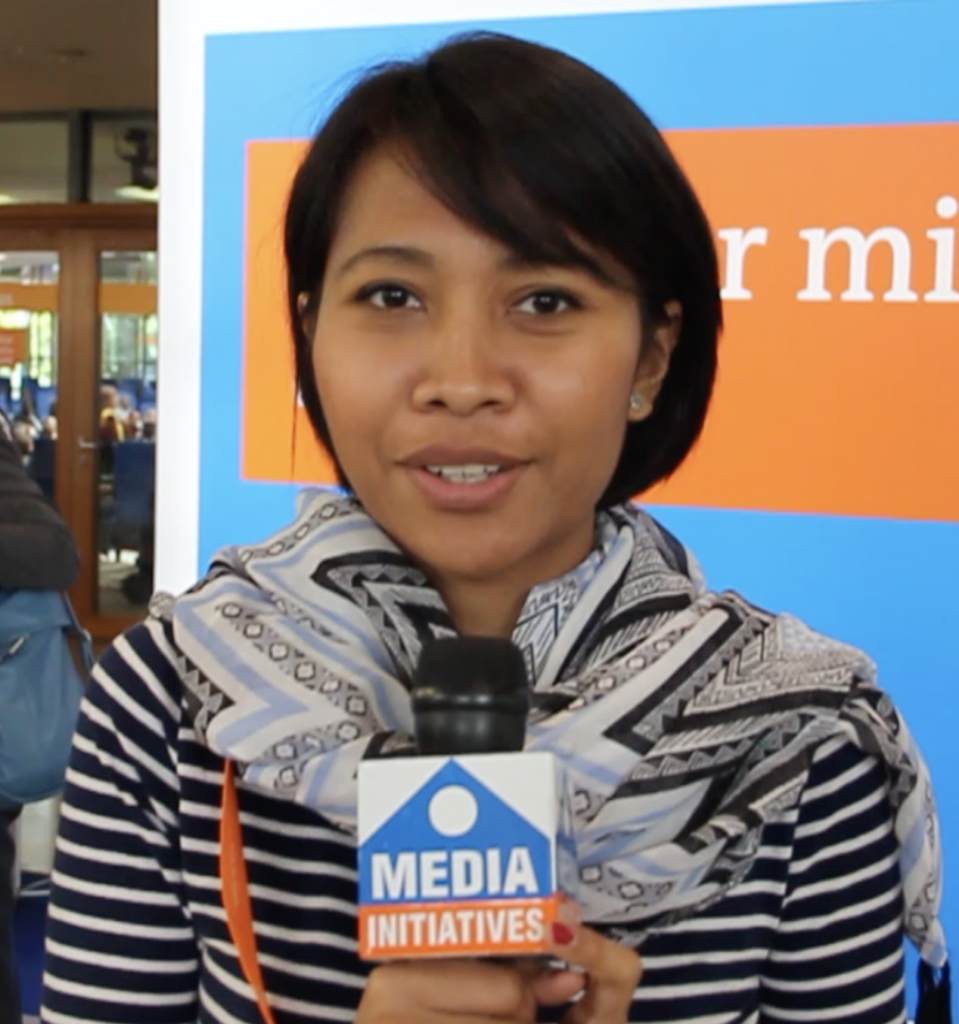
Media initiatives, along with peace-loving organizations, play a vital role in advancing these principles. They create platforms for dialogue, tolerance, and understanding, promoting the values of connectivity with diversity and the exchange of ideas. By fostering respect for different cultures, religions, languages, and races, they bridge divides and build bridges of cooperation. These efforts are not just about preventing conflict but also about creating an environment where people from all backgrounds can flourish and contribute to a harmonious and prosperous world. By championing the ideals of peace, media and peace organizations are catalysts for positive change, working towards a more inclusive and peaceful coexistence for all.
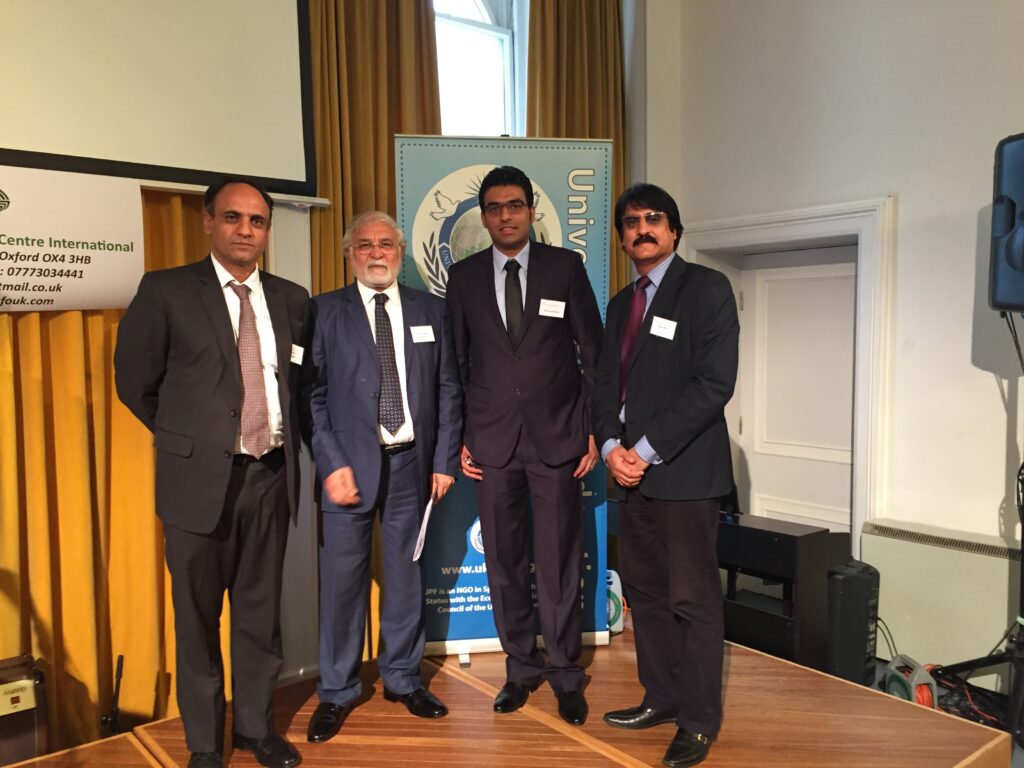
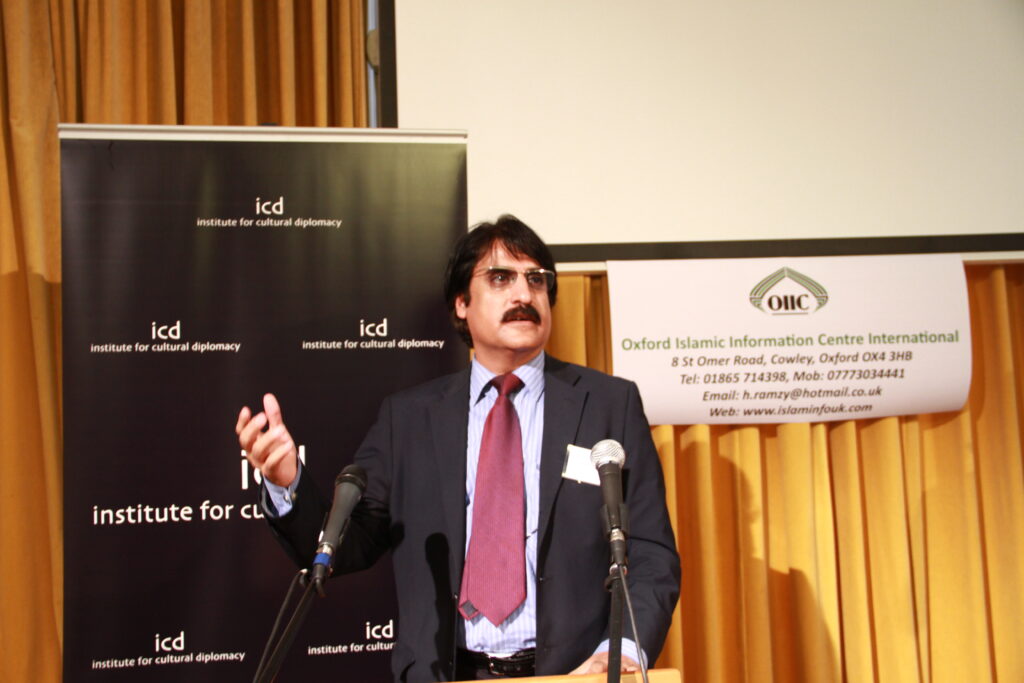
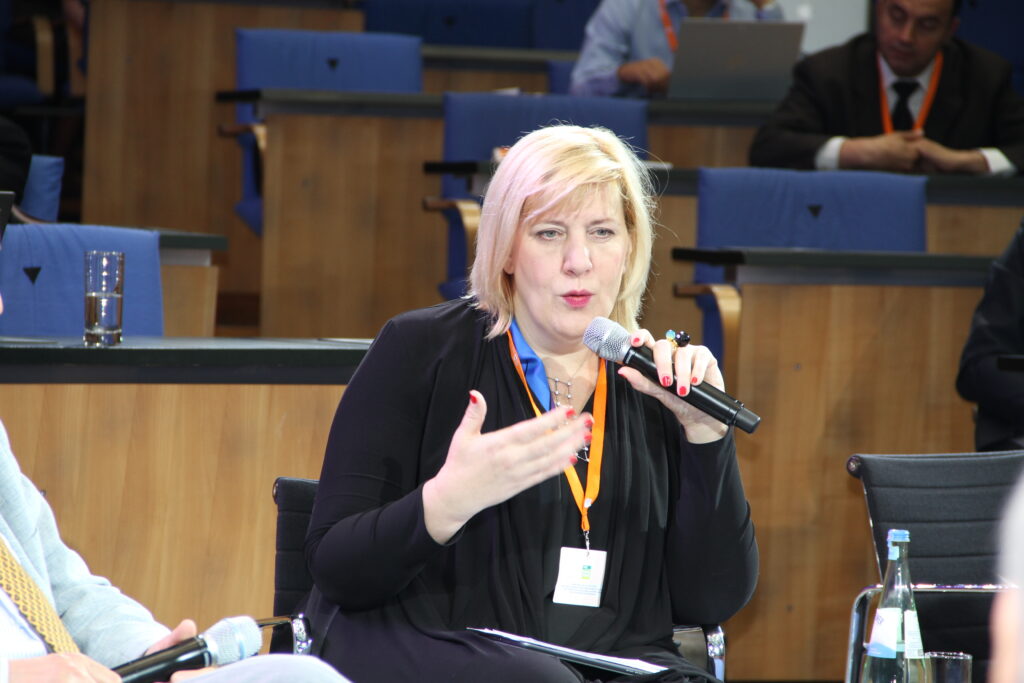
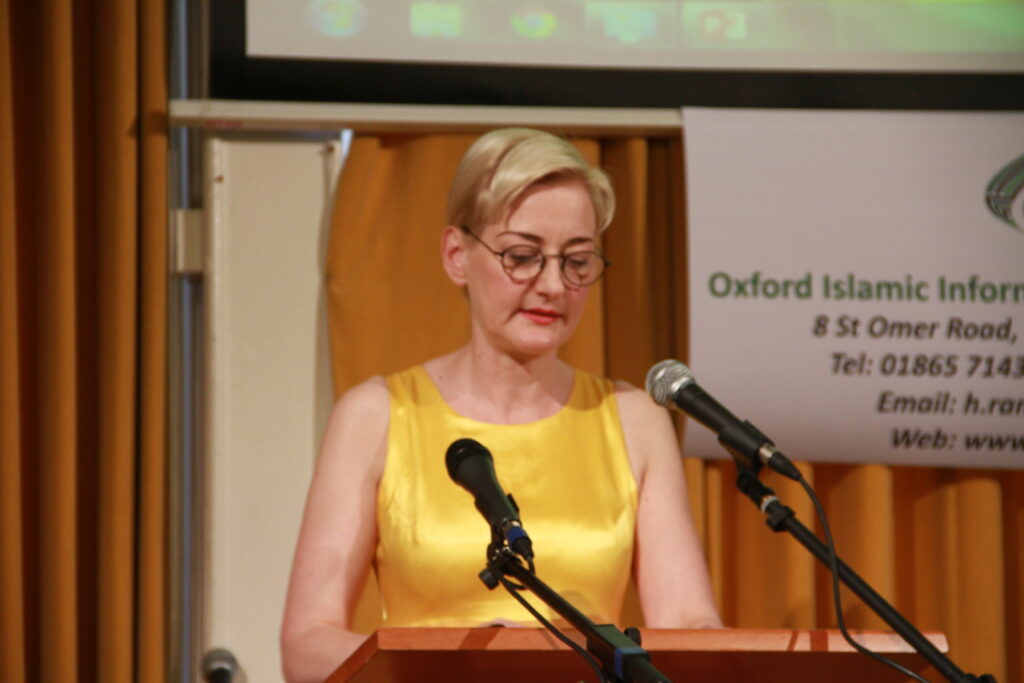
Conference on Peace & Cultural Diplomacy in London. Former president Somalia, former president Seychelles Island, former govern Herat Afghanistan, Kosovo MP, Minister,Lords & MP's of UK parliament, Chairman ICD, Secretary UPF along with delegations from Pakistan, Europe, Latin America & Africa.
EIUC Venezia Italy
Dialogue & Communication
Effective communication is essential for resolving conflicts.
Negotiation
Negotiation is a core component of conflict resolution
Mediation
Mediation is a neutral third-party intervention to facilitate negotiations
Conflict Analysis
A deep analysis is vital for crafting effective solutions.
Conflict prevention
Identifying early warning signs and taking proactive steps to prevent conflicts from escalating is vital.
Human Rights
Respecting human rights and ensuring justice is crucial for peace
Reconciliation
Reconciliation efforts aim to heal the wounds caused by conflict.
International involvement
Many conflicts have international dimensions, and the involvement of the international community
Civil Society Role
Local civil society organizations and grassroots movements often play a vital role in conflict resolution by building trust
Political Will & Leadership
Strong and committed political leadership is essential for initiating and sustaining peace processes
Socio, Econ development
Addressing socio-economic disparities and inequalities can help resolve conflicts
Education & Awareness
Education and awareness programs can promote a culture of peace, tolerance
EIUC Venezia Italy
AMAN Bangkok Thailand
UPF London
Peace Expression: Sufi Dance
Peace Seminar at Samnabad Postgraduate Girls College Lahore